Understanding Metal Roofing: Benefits and Features
Metal roofing is rapidly becoming the preferred choice for homeowners and commercial developers alike, thanks to its numerous advantages over traditional roofing materials. As more property owners seek durable, energy-efficient, and aesthetically pleasing options, the demand for metal roofing continues to rise. When exploring options, metal roofing company resources provide comprehensive insights into the benefits and features of this innovative material.
What Makes Metal Roofing a Preferred Choice?
One of the most significant reasons homeowners opt for metal roofs is their remarkable durability. Unlike traditional shingles that may crack or break under adverse weather conditions, metal roofs can withstand extreme temperatures, high winds, and heavy precipitation, including hail. Additionally, metal roofing is available in a variety of styles, colors, and finishes, allowing homeowners to customize their roofs to match their property's aesthetic. Not only do metal roofs enhance curb appeal, but they also increase a property's resale value.
Durability and Longevity of Metal Roofs
Metal roofs are engineered to last longer than their asphalt counterpart, typically boasting a lifespan of 40 to 70 years with minimal maintenance. Made from high-quality materials like steel, aluminum, or copper, metal roofs resist rust, mildew, and insect infiltration. This durability equates to fewer replacements over time, ultimately saving homeowners significant expenses in the long run.
Energy Efficiency and Cost Savings
Another compelling aspect of metal roofing is its energy-efficient properties. Many metal roofs come with reflective coatings that help reduce heat absorption, leading to lower energy bills, particularly in warmer climates. Studies show that metal roofs can reduce cooling costs by up to 25%. Furthermore, metal roofing materials are often made from recycled content and are themselves recyclable, making them an environmentally friendly choice. This longevity and efficiency contribute to overall cost savings over the lifespan of the roof.
Choosing the Right Metal Roofing Company
Choosing a reputable metal roofing company is crucial to ensuring high-quality installation and service. Several factors should be taken into consideration when selecting the right contractor for your project.
Key Factors to Consider When Hiring
Start by evaluating the contractor's experience and expertise in metal roofing. Check if they have certifications or affiliations with reputable manufacturing companies, as this often indicates a commitment to quality. Additionally, ask about their licensing and insurance coverage to protect yourself from potential liabilities.
Comparing Services and Price Points
When obtaining quotes from various contractors, ensure you compare the services offered and the materials used. While the lowest bid may seem appealing, it is essential to assess what is included in that price. Higher-quality materials and exceptional craftsmanship may justify a higher initial investment.
Reading Reviews and Testimonials
Don't underestimate the value of customer feedback. Online reviews and testimonials can provide insight into the contractor's reliability and quality of work. Look for patterns in customer satisfaction, as these can help gauge the level of service you can expect. Reputable companies often showcase case studies or portfolios of completed projects on their websites, allowing you to evaluate their style and quality directly.
Installation Process Explained
The installation process of metal roofing is vital for its overall performance and longevity. Understanding the steps involved can help you feel more confident in your choice of roofing system.
Preparing Your Home for Metal Roofing
Before installation begins, proper preparation is essential. This may involve removing the old roof, repairing any structural issues, and ensuring that the underlayment and flashing are in place. Proper ventilation should also be considered to prolong your roof's lifespan and ensure energy efficiency.
Step-by-Step Installation Breakdown
- Initial Assessment: A detailed inspection of your existing roof and structure.
- Removal of Old Roofing: Safe removal and disposal of the existing roof, if applicable.
- Deck Preparation: Repairing or reinforcing the roof deck to provide a solid foundation.
- Installation of Underlayment: Applying a waterproof underlayment to shield against moisture.
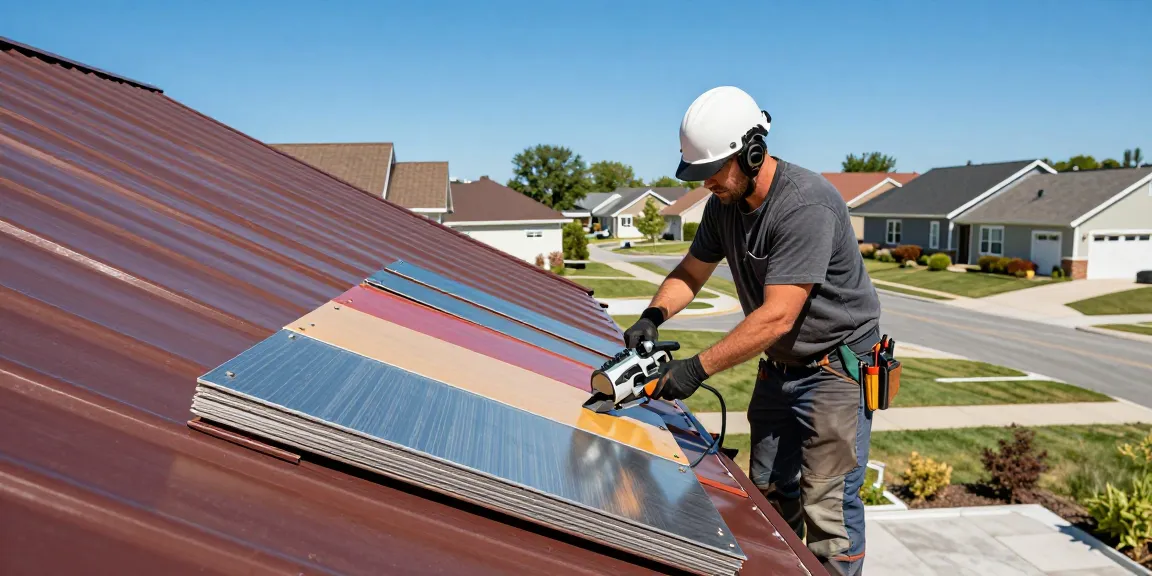
- Metal Panel Installation: Securing metal panels according to the manufacturer’s specifications.
- Flashing and Trim: Installing flashing around vents and edges to prevent leaks.
- Final Inspection: Conducting a walkthrough to ensure everything is correctly installed.
Common Mistakes to Avoid During Installation
Inadequate preparation, such as skipping the repair of the underlying structure or failing to install proper underlayment, can lead to significant issues down the road. Additionally, not following the manufacturer's guidelines can compromise the roof's integrity. Always ensure that the installation team is qualified and experienced in metal roofing applications.
Maintenance Tips for Metal Roofs
Maintaining a metal roof is relatively straightforward, requiring regular inspections and care to maximize its lifespan.
Regular Inspections and Cleaning Guidelines
It’s recommended to inspect your metal roof at least twice a year and after severe weather events. Look for signs of rust, loose panels, or any debris that may collect in valleys or gutters. Regular cleaning with a soft brush and mild detergent can keep your roof looking new while preventing corrosion.
Addressing Common Metal Roofing Issues
Some common issues with metal roofs include rust and corrosion, loose fasteners, and dings or dents. While rust can be treated with specific protective coatings, it's essential to address loose fasteners promptly to prevent leaks. Dents can typically be minimized but may require professional repair for severe damage.
Long-Term Care and Preservation Techniques
Applying a protective coating every few years can enhance a metal roof’s resistance to corrosion and fading. Additionally, ensuring proper drainage can prevent water pooling, which is a primary cause of roofing issues.
Future Trends in Metal Roofing for 2026 and Beyond
The metal roofing industry is evolving, with new materials and technologies emerging to meet market demands.
Innovative Materials and Technologies
Advancements in metal roofing materials include options that offer increased energy efficiency and enhanced aesthetics. For instance, solar-integrated metal roofing systems are gaining traction, allowing homeowners to generate renewable energy.
Sustainability Practices in Roofing
As sustainability becomes a priority in construction, metal roofing companies are increasingly focusing on eco-friendly practices. This includes the use of recycled materials and products that are designed for end-of-life recyclability.
Forecasting Industry Growth and Changes
The metal roofing industry is projected to expand significantly in the coming years as more consumers recognize its benefits. The increasing prevalence of extreme weather events is likely to drive demand for durable roofing solutions. Additionally, as aesthetic preferences evolve, metal roofing designs tailored to modern architectural styles will become even more popular.
What are the cost benefits of metal roofing?
Investing in metal roofing can lead to significant long-term savings when considering its longevity, energy efficiency, and low maintenance requirements. Homeowners typically find that they require fewer repairs and replacements than with traditional roofing over time.
How do metal roofs perform in extreme weather?
Metal roofs excel in extreme weather conditions, including heavy snow, high winds, and intense heat. Their lightweight structure reduces the risk of collapse, while their interlocking panels prevent water infiltration.
What maintenance do metal roofs require?
Metal roofs require minimal maintenance, primarily consisting of regular inspections and occasional cleaning. Homeowners should also check for rust and ensure that fasteners remain tight to maintain the roof's integrity.
Are there different types of metal roofs?
Yes, metal roofs come in various styles, including standing seam, corrugated panels, and metal tiles, allowing homeowners to choose a style that suits their aesthetics.
How long can I expect my metal roof to last?
With proper installation and maintenance, metal roofs can last between 40 to 70 years, making them a wise long-term investment.